20 Feb 2020
BobaKapp: Sustainable Boba Bottle
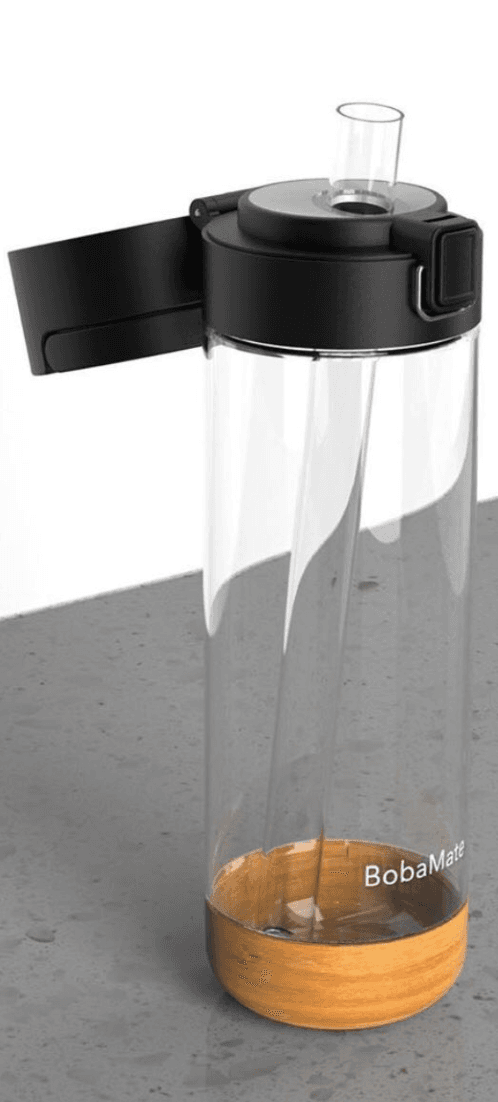
Sip sustainably with BobaKapp — a bottle concept for the boba community that keeps the drinking experience without the single-use plastic.
The Bubble Tea Market
Bubble tea moved from Taiwan into Asia, North America and the UK. Market Research Future put the market at $2.4B in 2019, heading toward $4.3B by 2027 (CAGR ~7.8%). Technavio estimated 38% of growth from EMEA. A fast-growing niche creates room for products built around the ritual — not just the drink.
The Sustainability Market
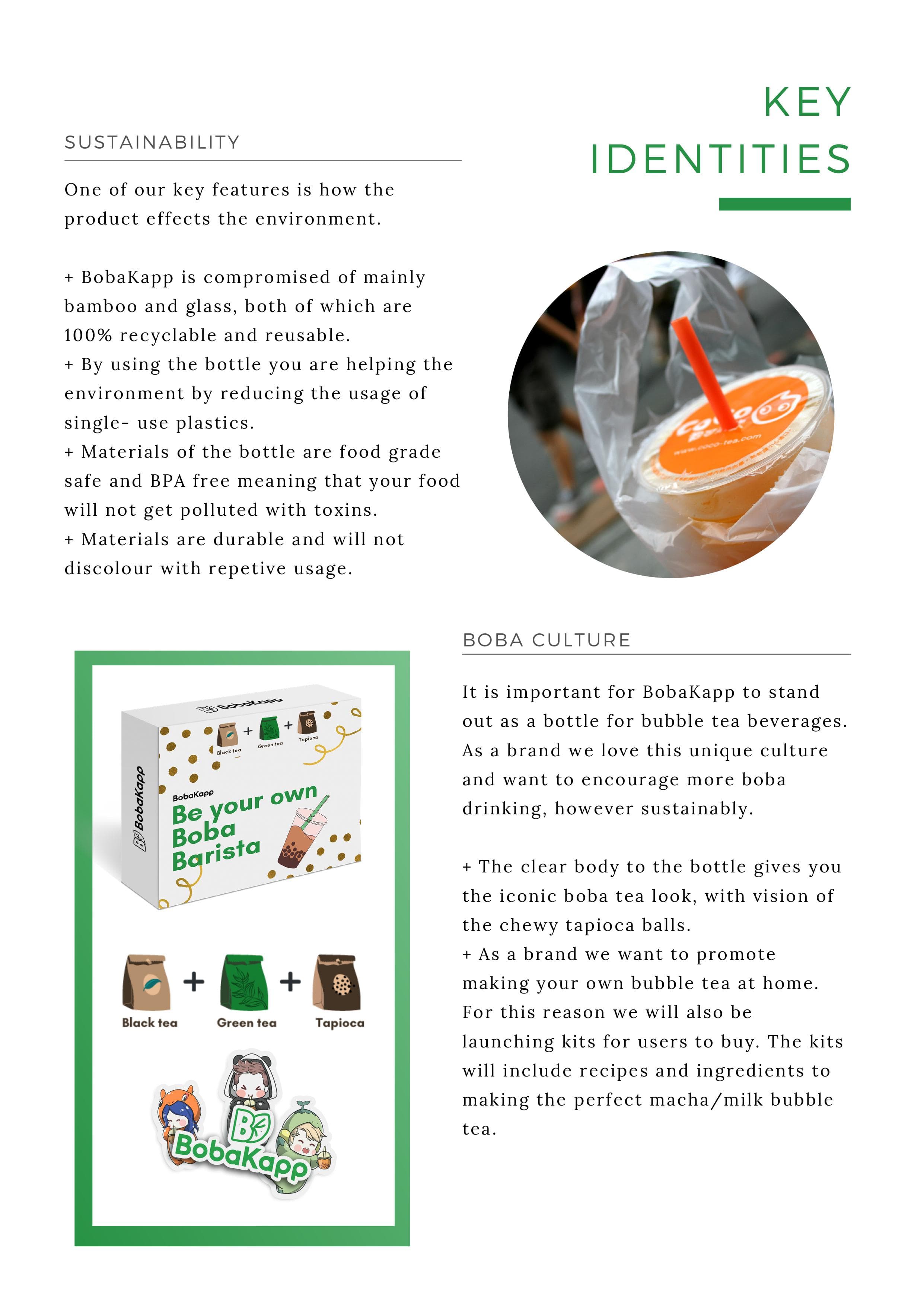
Design now has to account for environmental cost. Boba’s rise also means more plastic cups, lids and straws. BobaKapp sits in that gap: keep the unique drinking experience, cut the waste.


Design Brief
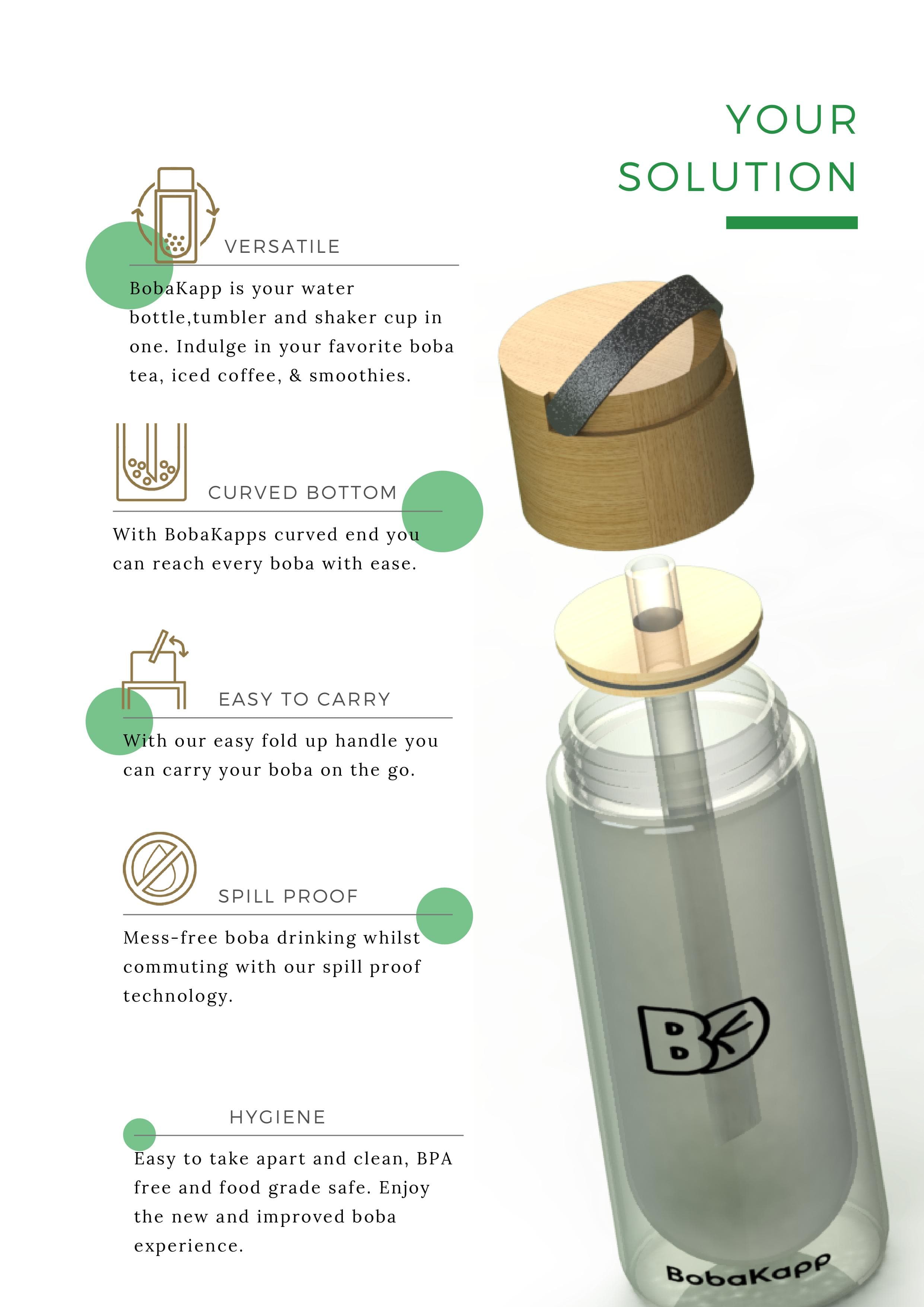
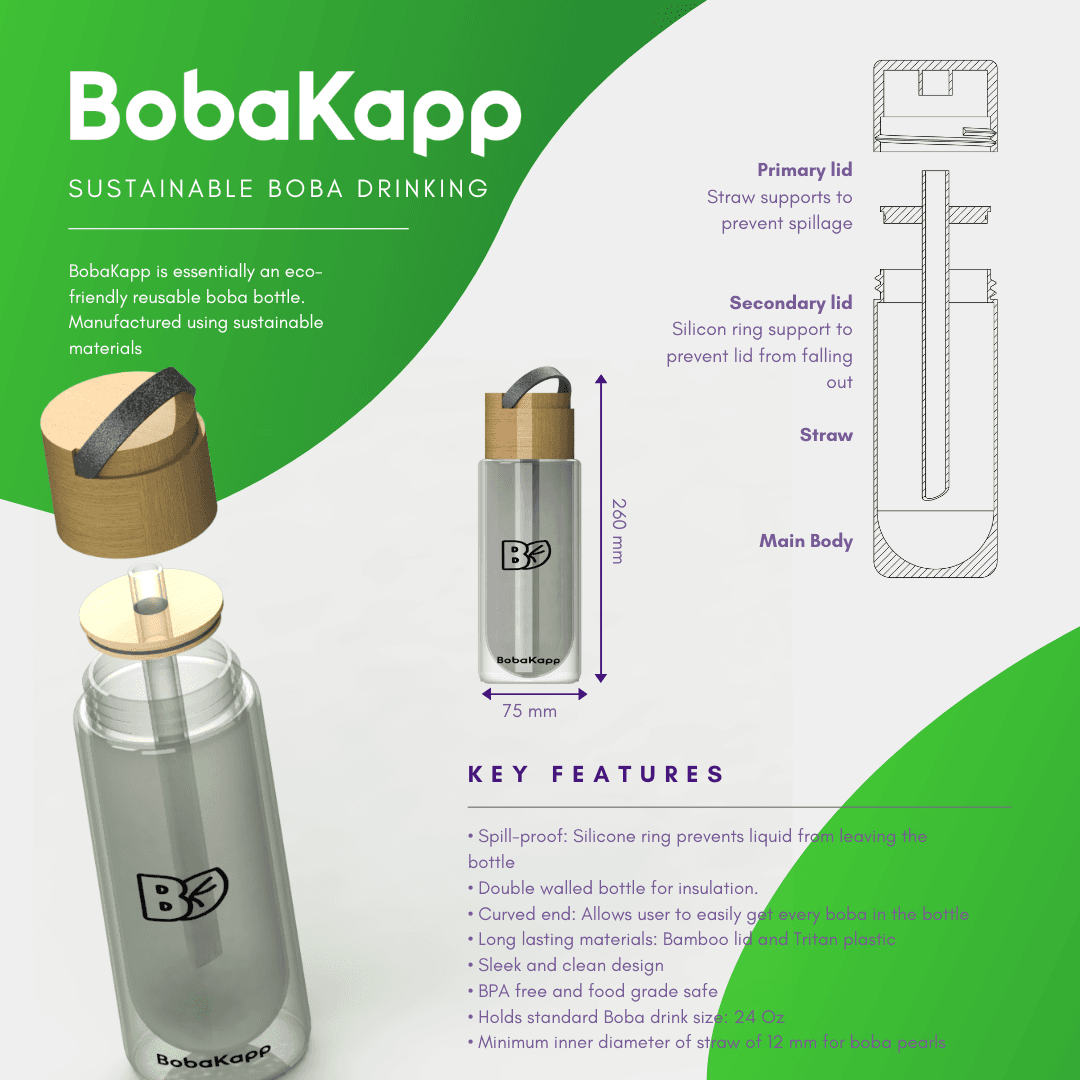
BobaKapp wants a bottle that promotes sustainable living in the boba community — innovative for pearls and sipping, while staying portable, spill-proof and eco-friendly.
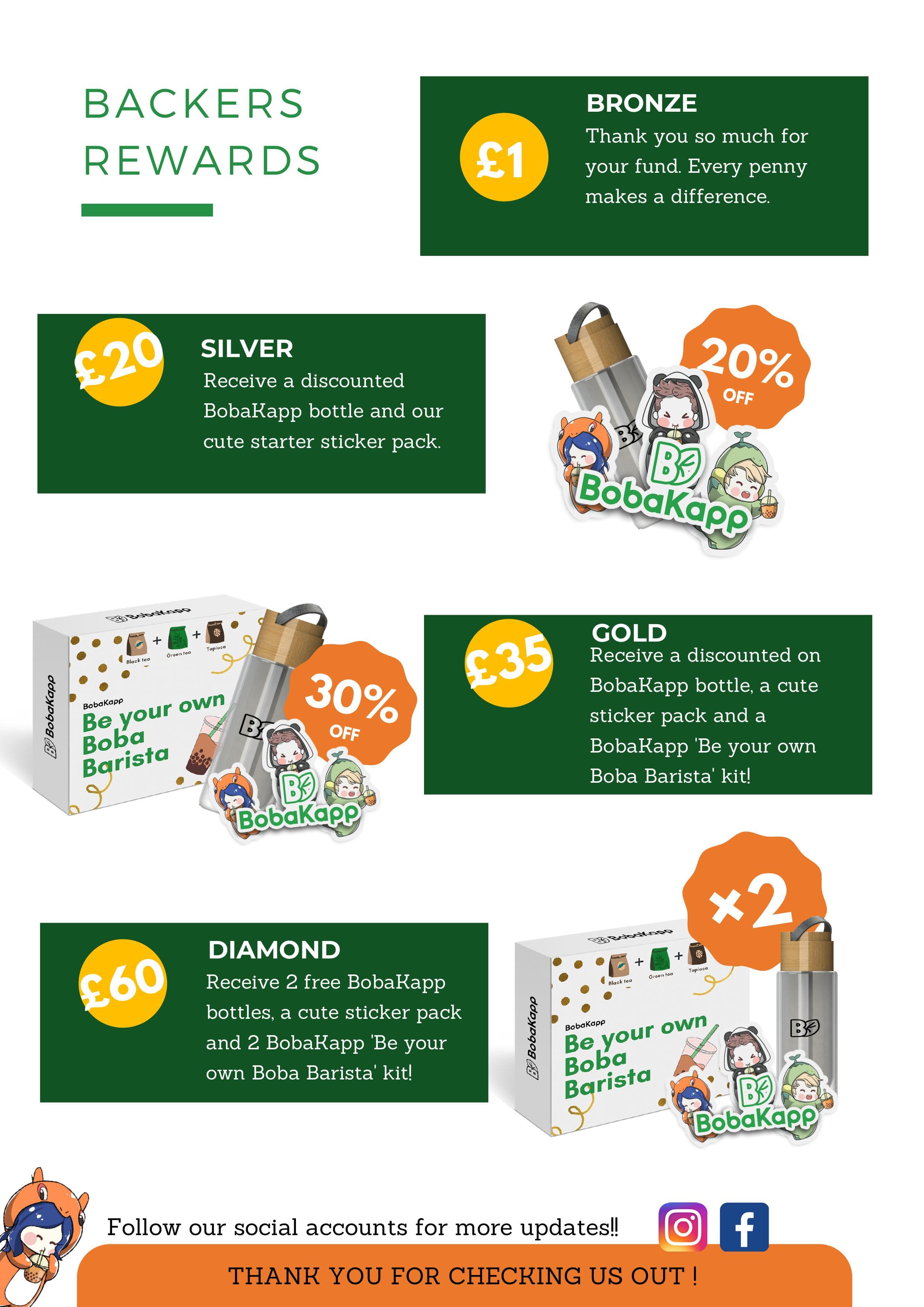
Audience: 18–34 eco-conscious people who drink bubble tea. Channels: crowdfunding first, then an ecommerce storefront and larger marketplaces.
Product Specification
Must-haves
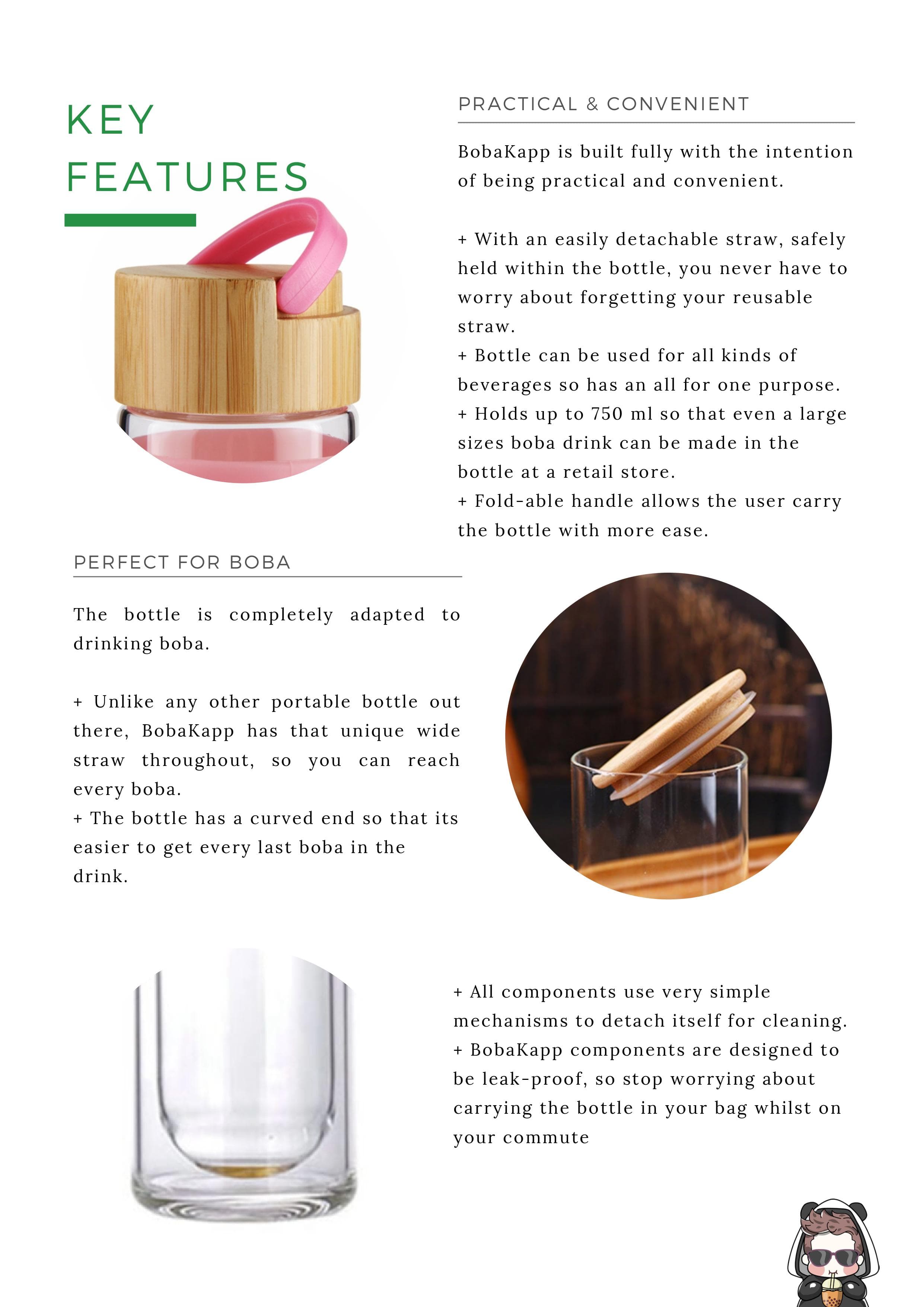
- Hold at least 750 ml
- Easy reach to boba pearls
- Spill-proof
- Transparent main body (see the pearls)
- Portable
- Detachable straw with 12 mm inner diameter
- Food-grade safe materials
Could-haves
- Double insulated
- Push-button hinged lid
- Retail around £19.99
Product Research
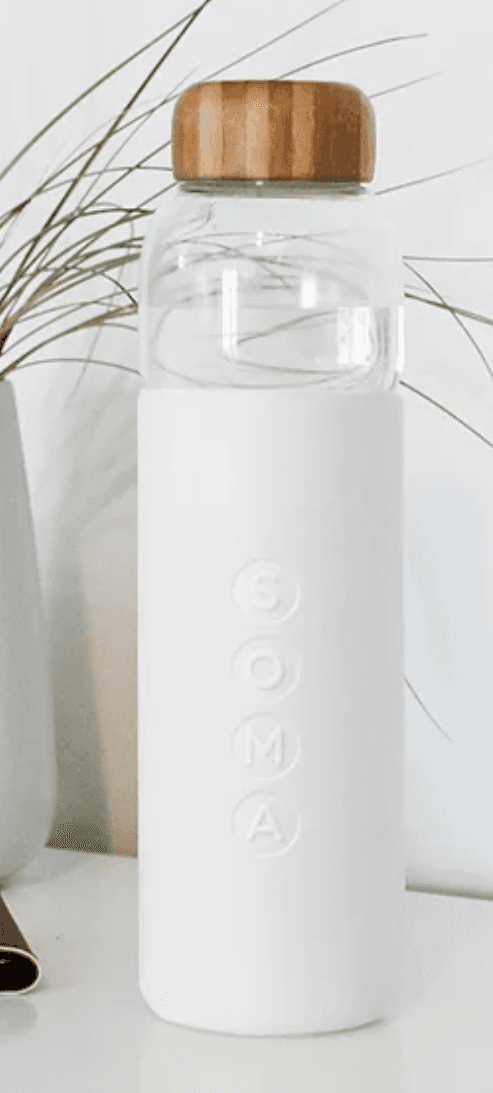
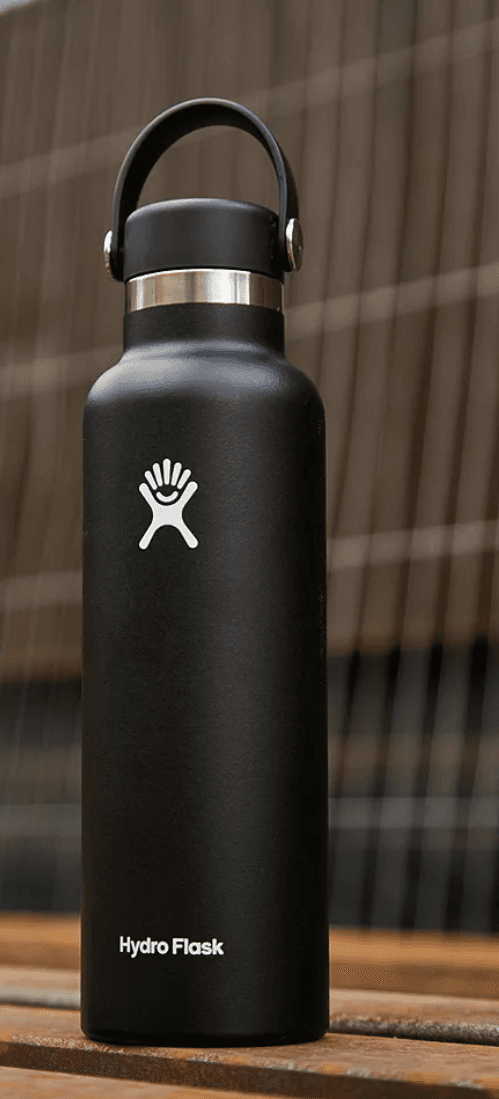
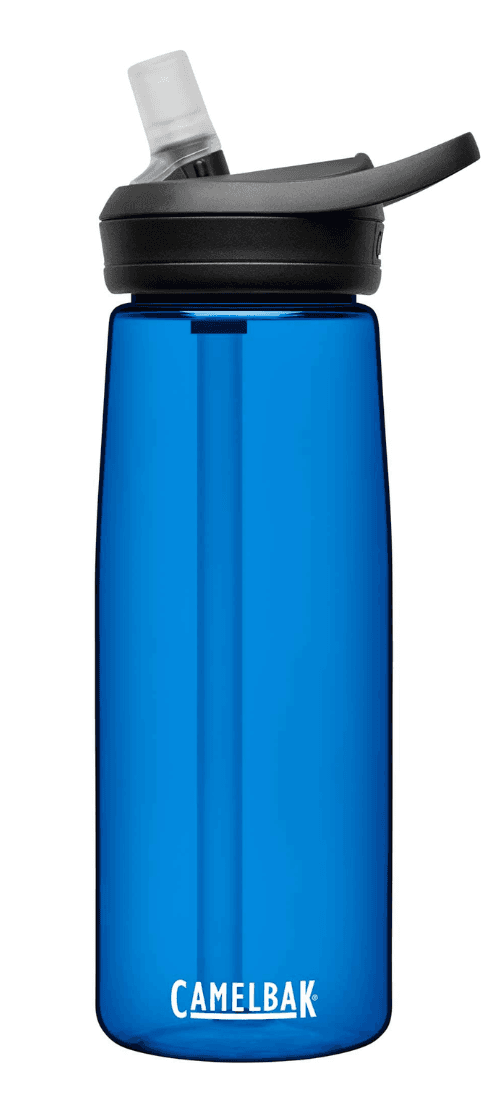
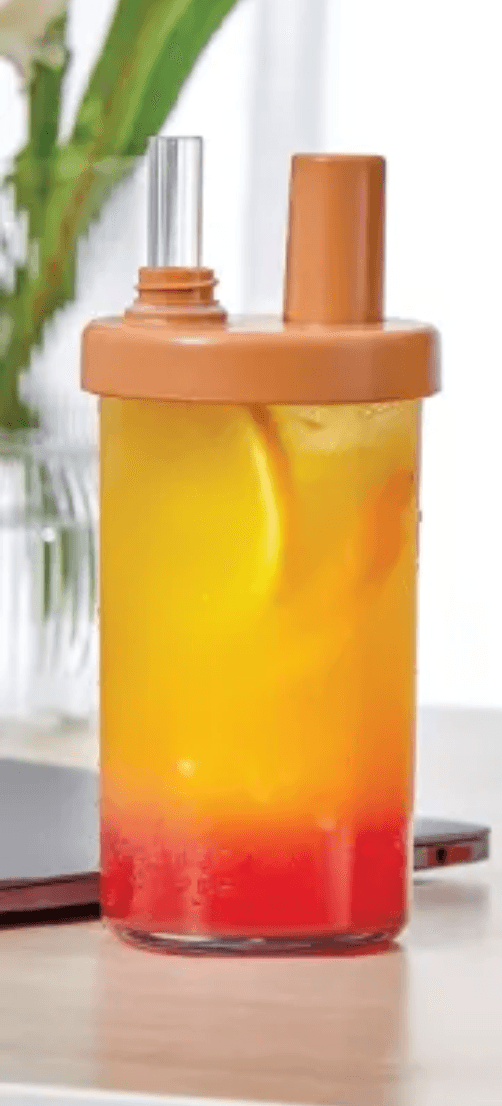
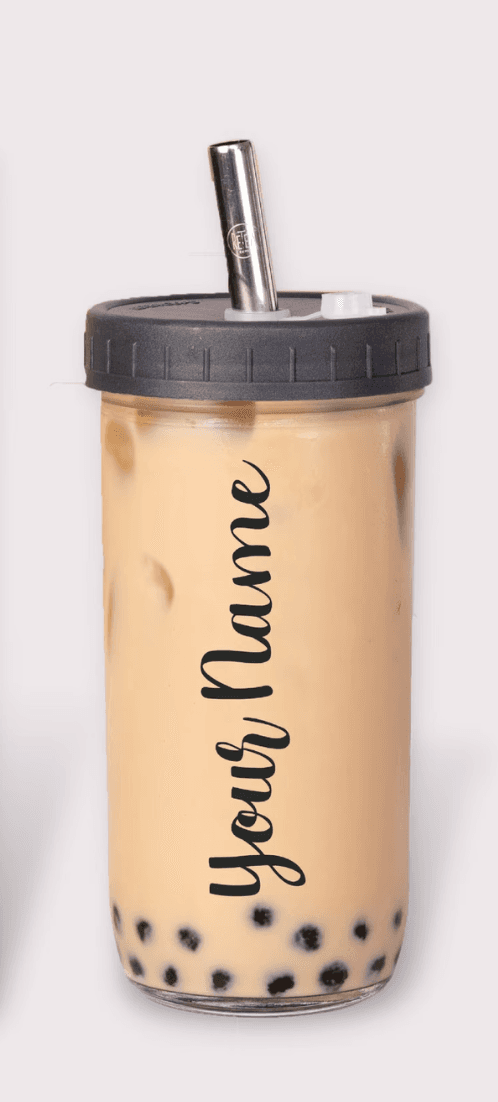
Competitive landscape spanned general reusable bottles and boba-specific cups.